South Australia’s Capital City and Its Mountain Playground
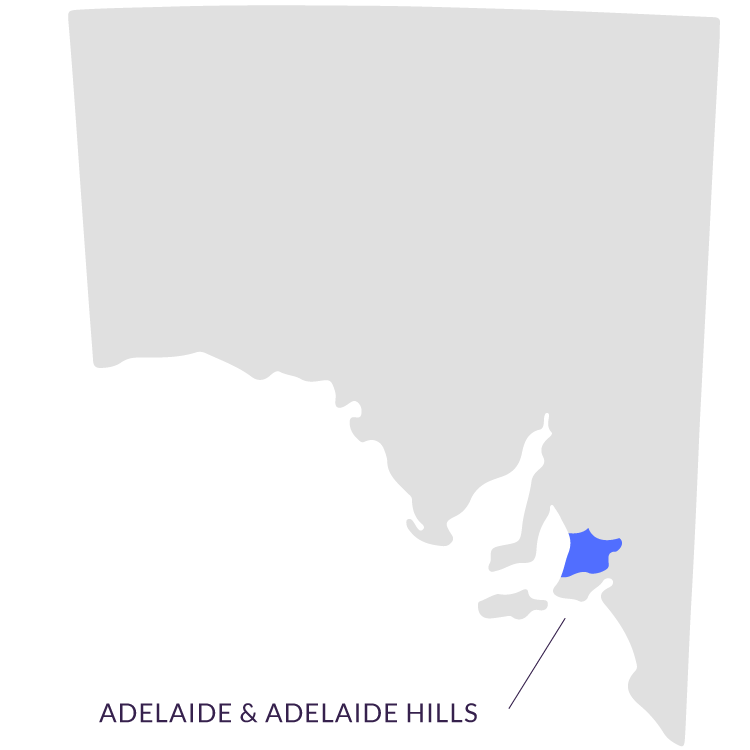
| Region | Adelaide & Adelaide Hills |
| Trails Available | 51 trails |
| Activities | Walking, Mountain Biking, Horse Riding, Scuba Diving, Cycling |
| Key Areas | Mount Lofty Ranges, Morialta, Belair, Sturt Gorge, Onkaparinga, Adelaide Coast |
| Distance from CBD | Most trails within 30 minutes of Adelaide |
| Accommodation | Camping, mid-range and premium options — See accommodation options |
Where the City Meets the Ranges
Adelaide is the only Australian capital city where you can walk from the urban centre into genuine wilderness within thirty minutes. The Mount Lofty Ranges rise directly behind the city, forming a natural backdrop of eucalypt forest, rocky gorges, and cascading waterfalls that has shaped Adelaide’s identity since settlement. This proximity between city and bushland is not just a geographic fact — it defines how Adelaide lives. On any given morning, thousands of residents are climbing the trail from Waterfall Gully to Mount Lofty Summit before work, running through the gorges of Morialta Conservation Park, or riding the mountain bike trails at Eagle Mountain Bike Park. The bush is not something Adelaideans visit on weekends — it is woven into the rhythm of daily life.
The Adelaide Hills themselves are a world of their own. Winding roads climb through villages where German settlers planted the first vineyards in the 1830s, where autumn sets the European deciduous trees ablaze with colour, and where around fifty cellar doors offer cool-climate wines from riesling to pinot noir. The hills shelter artists’ studios, artisan food producers, heritage gardens, and some of the finest walking trails in southern Australia — all within an easy drive of the Adelaide CBD.
A Landscape of Gorges, Forests, and Ancient Geology
The geology of the Adelaide region tells a story measured in hundreds of millions of years. At Sturt Gorge Recreation Park, you can walk across sturt tillite — rock formations created from glacial material dropped by ice floating in an ancient ocean that covered South Australia approximately 800 million years ago. In the gorges of Morialta and Waterfall Gully, creeks have carved through layers of ancient rock to create waterfalls and cliff faces that provide dramatic walking destinations. The Onkaparinga River has cut the deepest river gorge on the Adelaide Plains, while the rolling hills of Para Wirra and Mark Oliphant Conservation Parks protect pockets of native woodland that once covered the entire region.
The native vegetation is equally significant. Grey box grassy woodland — once abundant across southern Australia but now nationally threatened — survives in scattered remnants across the Adelaide Hills. SA blue gum, stringybark, and manna gum forests support koalas, kangaroos, possums, and a rich community of woodland birds including kookaburras, rosellas, and honeyeaters. Belair National Park, proclaimed in 1891 as South Australia’s first national park, remains one of the few relatively undisturbed areas of native vegetation in the region.
Walking Trails

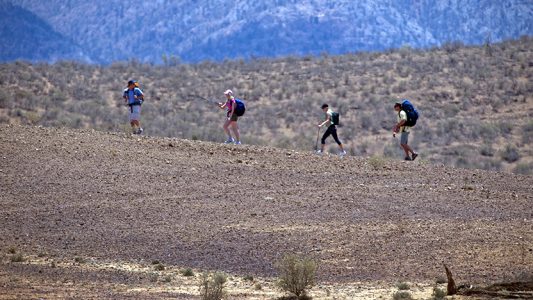
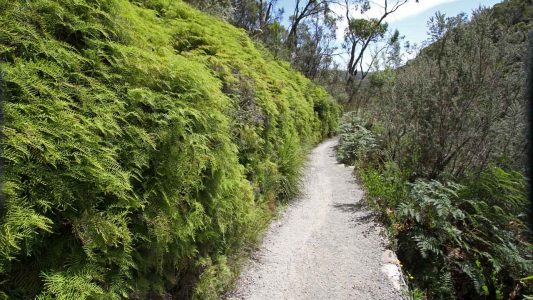
Adelaide’s walking trails range from gentle garden strolls to serious summit climbs, with something for every fitness level and ambition. The signature walk — Waterfall Gully to Mount Lofty Summit — climbs 500 metres of elevation through native forest to panoramic views from the highest point in the Mount Lofty Ranges. Morialta Conservation Park offers a cluster of gorge walks to three separate waterfalls, from the easy Valley Walk to the challenging Plateau Hike. Belair National Park’s Waterfall Hike takes you through the atmospheric Echo Tunnel to unfenced rock escarpments. And the Pioneer Women’s Trail traces the historic 22-kilometre route walked by the women of Hahndorf who carried produce to Adelaide’s markets.
• Waterfall Gully to Mount Lofty Hike — 4.4 km, Intermediate — Adelaide’s iconic summit walk through native forest
• Waterfall Gully to Mount Lofty Summit Hike — 4.4 km, Intermediate — The classic route from First Falls to 727m summit
• Waterfall Hike – Belair National Park — 6.5 km, Intermediate — Echo Tunnel and rock escarpment waterfalls
• Waterfall Hike — 6.5 km, Intermediate — Through SA’s oldest national park
• Morialta Falls Valley Walk — 2.5 km, Easy — Gentle walk to the iconic First Falls
• Morialta Falls Plateau Hike — 6 km, Intermediate — Three waterfalls and panoramic gorge views
• Deep View Lookout Hike — 4.5 km, Intermediate — Spectacular gorge overlook at Morialta
• Second Falls Gorge Hike — 3.5 km, Intermediate — Through the heart of Morialta’s gorge
• Fourth Creek Walk — 2 km, Easy — Creekside walk through Morialta’s woodland
• Black Hill Summit Hike — 4 km, Intermediate — Summit views across Adelaide
• Ambers Gully Hike & Sugarloaves Track — 6 km, Intermediate — Through Black Hill’s rugged terrain
• Pioneer Women’s Trail — 22 km, Easy — Historic route of the Hahndorf market women
• Sundews Ridge Hike — 7 km, Intermediate — Ridge-top views of Adelaide’s deepest gorge
• Hardys Scrub Hike — 5 km, Easy — Through remnant woodland at Onkaparinga
• Southern Brown Bandicoot Trail — 3.2 km, Easy — Conservation walk for a threatened species
• Lizard Rock Nature Walk — 2.5 km, Easy — Family-friendly bushland loop at Para Wirra
• The Nature Trail — 1 km, Easy — Gentle garden walk at Mount Lofty Botanic Gardens
• The Nature Trail – Mount Lofty Botanic Gardens — 1 km, Easy — Cool-climate garden meander
• Lakeside Trail — 1.5 km, Easy — Peaceful lakeside walk in the Botanic Gardens
Mountain Biking
Eagle Mountain Bike Park is Adelaide’s purpose-built mountain biking destination, located just twelve kilometres from the CBD in the Adelaide Hills foothills. With over 22 kilometres of designated trails ranging from beginner cross-country loops to difficult downhill runs, plus a skills park, jumps park, and trials area, Eagle is one of Australia’s most accessible urban mountain bike parks. The Sturt Gorge Recreation Park’s Craigburn Farm extension adds another network of trails on Adelaide’s southern fringe, with intermediate routes through recovering native woodland.
• Blue Gums — Eagle Mountain Bike Park — Intermediate singletrack
• Jammin — Eagle Mountain Bike Park — Flowing intermediate trail
• Overlocker — 1.1 km, Intermediate — Technical singletrack through bushland
• Valley Trail — Eagle Mountain Bike Park — Key connector trail
• Gunners Run — Sturt Gorge — Intermediate mountain biking
• Sidewinder — 2.8 km, Intermediate — Ancient geology at Craigburn Farm
• Sticks and Stones — Craigburn Farm — Rocky intermediate trail
• Tapa Turrungka Trail — Sturt Gorge — Ridge-top riding above the gorge
• Valley Road Trail — 2.5 km, Easy — Gentle valley route through Craigburn Farm
Cycling and Linear Trails

Adelaide’s network of linear park trails follows the city’s rivers and creeks from the hills to the sea, creating long-distance cycling and walking corridors through the urban landscape. The River Torrens Linear Park Trail stretches over 30 kilometres from the Adelaide Hills to the coast at Henley Beach, while the Sturt River, Dry Creek, Little Para, and Gawler Rivers linear trails extend the network across the northern and southern suburbs.
• River Torrens Linear Park Trail — 30+ km — Adelaide’s premier riverside cycling trail
• Sturt River Linear Park — Suburban greenway from the hills to the sea
• Stuart O’Grady Bikeway — Named for Adelaide’s cycling champion
• Dry Creek Trail — Northern suburbs cycling corridor
• Little Para River Trail — Salisbury — Riverside trail through northern Adelaide
• Gawler Rivers Path (Tapa Pariara) — Gawler — Riverside trail at Adelaide’s northern edge
Horse Riding
The Adelaide Hills provide some of South Australia’s best horse riding trails, taking riders through native bushland and pastoral landscapes with views across the ranges and plains.
• Tom Roberts Horse Trail — Multi-use trail network honouring a legendary horseman
• Kersbrook Horse Trail — Adelaide Hills riding through open woodland
Scuba Diving

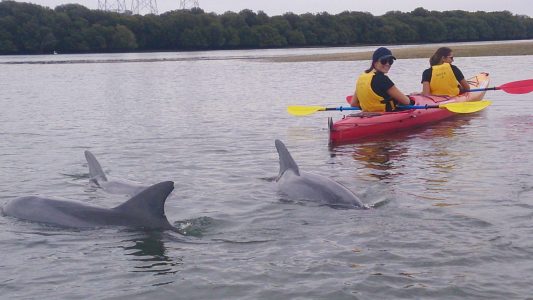
Adelaide’s metropolitan coastline and the waters of Gulf St Vincent offer a surprising diversity of dive sites, from artificial reefs and historic shipwrecks to natural reef systems teeming with marine life. The Port Noarlunga Reef is one of South Australia’s most popular dive sites, while the ships’ graveyard at Garden Island provides a unique maritime heritage experience.
• Port Noarlunga Reef Dive Trail — Guided underwater trail on a protected reef
• Garden Island Ships’ Graveyard — Maritime heritage dive trail
• Broken Bottom Dive Site — Adelaide’s coastal reef diving
• Claris Dive Site — Wreck diving off Adelaide’s coast
• Glenelg Barge Dive Site — Artificial reef at Glenelg
• Glenelg Tyre Reef Dive Site — Artificial reef marine habitat
• Grange Tyre Reef Dive Site — Artificial reef diving
• John Robb Dive Site — Historic wreck dive
• Leather Jacket Alley Dive Site — Marine life diving
• Adelaide’s Underwater Heritage Trail — Heritage maritime dive experience
• Aldinga Drop Off Dive Site — Dramatic reef wall diving
• Aldinga Pinnacles Dive Site — Underwater pinnacle formations
Multi-Region Trails
Several of South Australia’s great long-distance trails begin in or pass through the Adelaide region, connecting the city to the wider landscape of the state.
• Heysen Trail — 1,200 km — Cape Jervis to Flinders Ranges, Australia’s longest walking trail
• Lavender Federation Trail — Adelaide Hills through Barossa to Clare Valley
• Mawson Trail — Adelaide to Flinders Ranges cycling route
• Kidman Trail — Multi-region trail from Fleurieu to mid-north
Adelaide’s trails tell the story of a city built where the ranges meet the plains — a place where the bush is never more than a short drive away, where ancient geology lies beneath suburban streets, and where the morning walk to a mountain summit is as much a part of the culture as the coffee that follows. From the gorges of Morialta to the summit of Mount Lofty, from the reefs of the coast to the linear parks that follow rivers to the sea, this is a city that lives outdoors.