Kangaroo Island is one of the world’s great nature-based destinations, which also offers brilliant local cuisine, small batch wines and a leisurely way of life.
Be greeted by Australian sea lions basking on unspoiled white beaches, koalas dozing in lofty eucalyptus trees and pelicans gliding across shimmering lagoons. Kangaroo Island is a place that offers a sanctuary for large populations of native Australian animals, as well as being a place of beauty and escape.
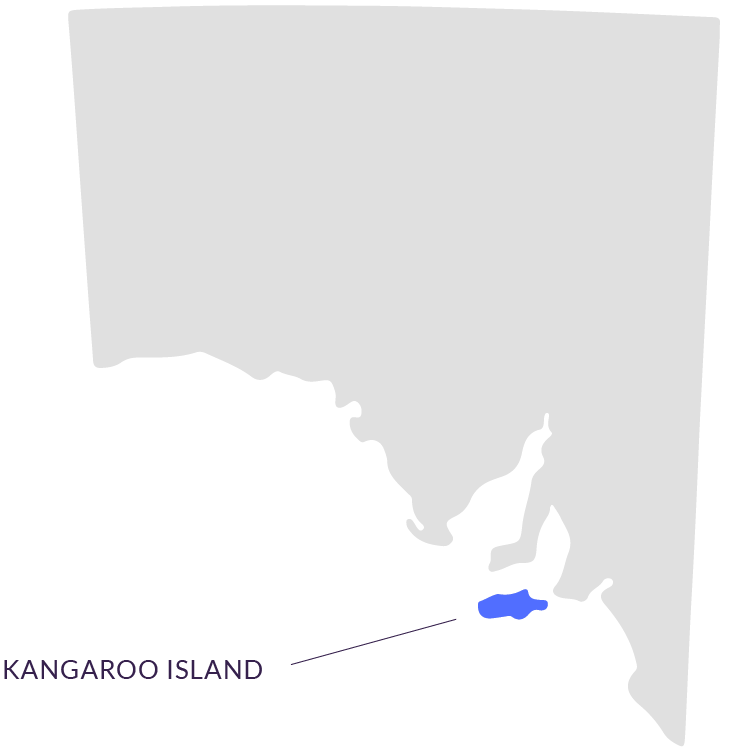
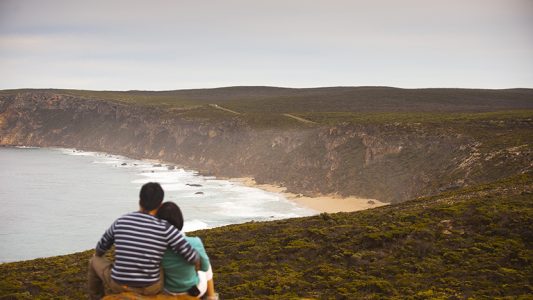
Australia’s third largest island, Kangaroo Island, (or as the locals say, ‘KI’) has many large open spaces and is surprisingly diverse. If you traverse its 155 kilometre length, you’ll find soaring cliffs, dense national parks, towering sandy dunes, wetlands and untouched white sand beaches.
Remarkably, over half the Island is covered in native ‘old growth’ bushland, much of it preserved and protected thanks to an innovative, responsible tourism program. This means the experience you have today will be the same as the experience enjoyed by generations to come.
Kangaroo Island appears to have an endless amount of space, so you’ll always find somewhere to call your own and somewhere to enjoy a little quiet time to let nature soothe your soul.
It may be wild in nature but don’t underestimate the welcome. Around 4600 people live here, most of them farmers, anglers and other primary producers. Many of today’s residents are descended from ‘Islanders’ who’ve farmed the local land and fished the seas for generations. Towns like Kingscote, Penneshaw, Parndana and American River are places for relaxation and unrushed meandering, enjoyed by locals and visitors alike. Whether you’re in town, in the country or on the fabulous coast, you’ll discover a real holiday spirit – not to mention accommodation options ranging from campsites and lighthouse keepers’ cottages to super-chic luxury retreats.
Not surprisingly, with its fertile lands and bountiful seas, Kangaroo Island produces some of Australia’s finest gourmet foods. Visiting foodies will be amazed by the likes of freshly-caught King George whiting, sheep’s cheese, marron, Ligurian honey and an exciting range of small batch varietal wines.
If that’s not enough, discover a rich history, thriving arts community and exciting wilderness retreats.
Three days will give you a small taste of the Island and allow you time to see some of the major highlights. However, anyone who has been to Kangaroo Island before will tell you that you really need about seven days to truly gain an appreciation for the people, environment, culture and geology of the Island.