A 40-Kilometre Sealed Path Through Australia’s Most Famous Wine Region
| Activity | Walking and Cycling (Easy) |
| Distance | 40 kilometres (Angaston to Gawler) |
| Duration | 2 days walking / 1 day cycling |
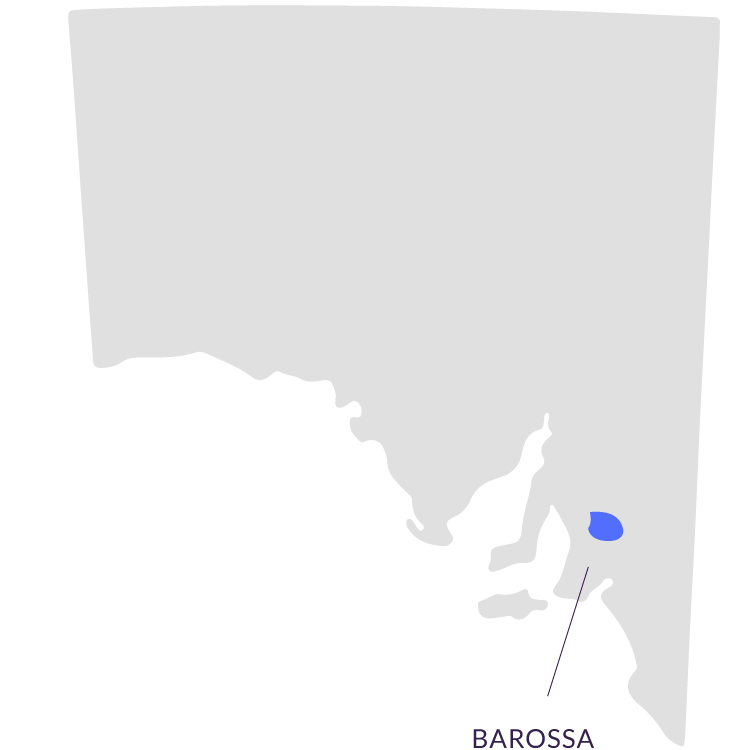
| Region | Barossa |
| Accommodation | Camping, mid-range and premium options — See accommodation options |
| Start Point | 8 Washington St, Angaston SA 5353 |
| End Point | Gawler (via Stuart O’Grady Way connection) |
| Surface | Sealed bitumen path |
| Accessibility | Wheelchair and pram friendly on flatter sections |
Overview
Stretching 40 kilometres through the heart of Australia’s most celebrated wine region, the Barossa Trail is a sealed cycling and walking path that connects the townships of Angaston, Nuriootpa, Tanunda, Lyndoch, and Gawler in one continuous ribbon of bitumen. Opened in May 2014 (and extended to Gawler in 2022 via the Stuart O’Grady Way), the trail follows the natural beauty of the North Para River and the old railway easement, weaving between vineyards, cellar doors, cafes, artisan food producers, and galleries along the way.
With a town or winery never more than a few kilometres apart, the Barossa Trail is designed for leisurely exploration rather than athletic achievement. The sealed surface and gentle gradients make it accessible to families, leisure cyclists, e-bike riders, and walkers of all ages. The beauty of this trail is its versatility — it works equally well as a fitness ride, a wine-tasting tour on two wheels, or a multi-day walking journey through one of the most picturesque valleys in South Australia.
The Trail Section by Section
Angaston to Nuriootpa (6 km)

The trail begins in Angaston, one of the region’s highest townships and home to a cluster of boutique cellar doors, cafes, and artisan shops. The 6-kilometre section to Nuriootpa follows the old rail easement, a high-quality bitumen surface that passes through deep shady cuttings at the Angaston end and along high embankments that offer views across the valley. Metal sculptures line the route, and seating is provided at regular intervals — a thoughtful touch that invites you to stop and take in the vineyard views rather than rushing through.
Nuriootpa to Tanunda (7 km)
From Nuriootpa, the commercial hub of the Barossa, the trail continues south through mostly flat terrain. This section passes through the working heart of the wine industry — rows of vines stretching to the ranges on either side, the occasional winery shed, and the quiet hum of a region that produces some of Australia’s finest shiraz, grenache, and riesling. The North Para River runs close to the trail through parts of this section, and a detour through Nuriootpa’s Linear Park provides a pleasant riverside alternative.
Tanunda to Lyndoch via Rowland Flat (14 km)

This is the longest and most varied section of the trail. From Tanunda — the heritage heart of the Barossa, with its historic churches, village charm, and thriving cafe culture — the trail follows the Barossa Valley Way before veering away from the road and railway near Rowland Flat. The path then passes through vineyards and bushland close to the North Para River and the famous Jacob’s Creek visitor centre. This section has short steep sections and sharper corners, but the scenery is rewarding and the sense of immersion in the valley landscape is at its strongest.
Lyndoch to Gawler (13 km)
The final section follows the railway line south through Sandy Creek before crossing the railway via a short section of Cockatoo Lane. The trail resumes adjacent to the Barossa Valley Way through stands of river red gums, then climbs over a hill before descending into the historic town of Gawler, where it connects with the Stuart O’Grady Way. Lyndoch itself, established in 1837, is one of South Australia’s oldest towns and offers boutique family-owned vineyards and cellar doors.
Services and Bike Hire

One of the trail’s great strengths is the infrastructure that supports it. The Barossa Cycle Hub in Tanunda offers bike hire, showers, toilets, bike storage, a maintenance stand, and even a vending machine dispensing common inner tube sizes. The Gawler Cycle Hub at the Visitor Information Centre provides similar facilities. Bike hire is also available in Nuriootpa, where you can pick up standard bikes, e-bikes, and arrange guided tours. Trail maps are available from the Barossa Visitor Centre and online.
Planning Your Trip
The Barossa Valley is located approximately 60 kilometres north-east of Adelaide, about an hour’s drive. The trail is open year-round and is free to use. The flatter sections are wheelchair and pram friendly. For cyclists, the full trail can be completed in a single day with plenty of time for winery stops. Walkers typically spread the journey over two days, overnighting in one of the valley’s many B&Bs, hotels, or self-contained cottages. The trail is at its best in autumn (March–May), when the vines turn golden and the temperatures are ideal for outdoor activity, and in spring (September–November), when the valley is green and the wildflowers are in bloom.
The Barossa Trail is the most civilised long trail in South Australia. It threads through one of the world’s great wine regions with a cellar door, a cafe, or a gallery never far from the path, offering an experience that is as much about food, wine, and community as it is about the ride or the walk itself. It is the Barossa at its most accessible and its most enjoyable.