Kelly Hill Conservation Park – Kangaroo Island
| Location | Kelly Hill Conservation Park, Kangaroo Island |
| Start/End Point | Kelly Hill Visitor Centre, South Coast Road, Karatta |
| Distance | 1.2 km circuit |
| Time | 30 minutes |
| Difficulty | Intermediate |
| Activity | Walking |
| Region | Kangaroo Island |
| Accommodation | Camping, mid-range and premium options — See accommodation options |
| Nearby Attraction | Kelly Hill Caves guided tours |
Walking Above a Hidden Cave System
Beneath the quiet sugar gum forest at the western end of Kangaroo Island, a labyrinth of dry limestone caves extends through the darkness — a world of stalactites, stalagmites, and delicate mineral formations created over hundreds of thousands of years by the slow work of water dissolving rock. The Burgess Hike, incorporating Mays Walk, explores the surface above this hidden world, following a 1.2-kilometre circuit through the tall forest where the landscape itself provides clues to the caves beneath your feet.
Kelly Hill Conservation Park sits on the island’s south coast, about 90 kilometres from Kingscote and approximately 1.5 hours from the Penneshaw ferry terminal. The park’s centrepiece is the Kelly Hill Caves system — a series of dry limestone caves discovered in the 1880s when a horse named Kelly fell through a surface hole into the caverns below. Today, the caves feature a brand-new immersive visitor experience combining narration and dynamic light displays, and the Burgess Hike provides the perfect above-ground complement to the underground adventure.
The Walk
Through the Sugar Gum Forest
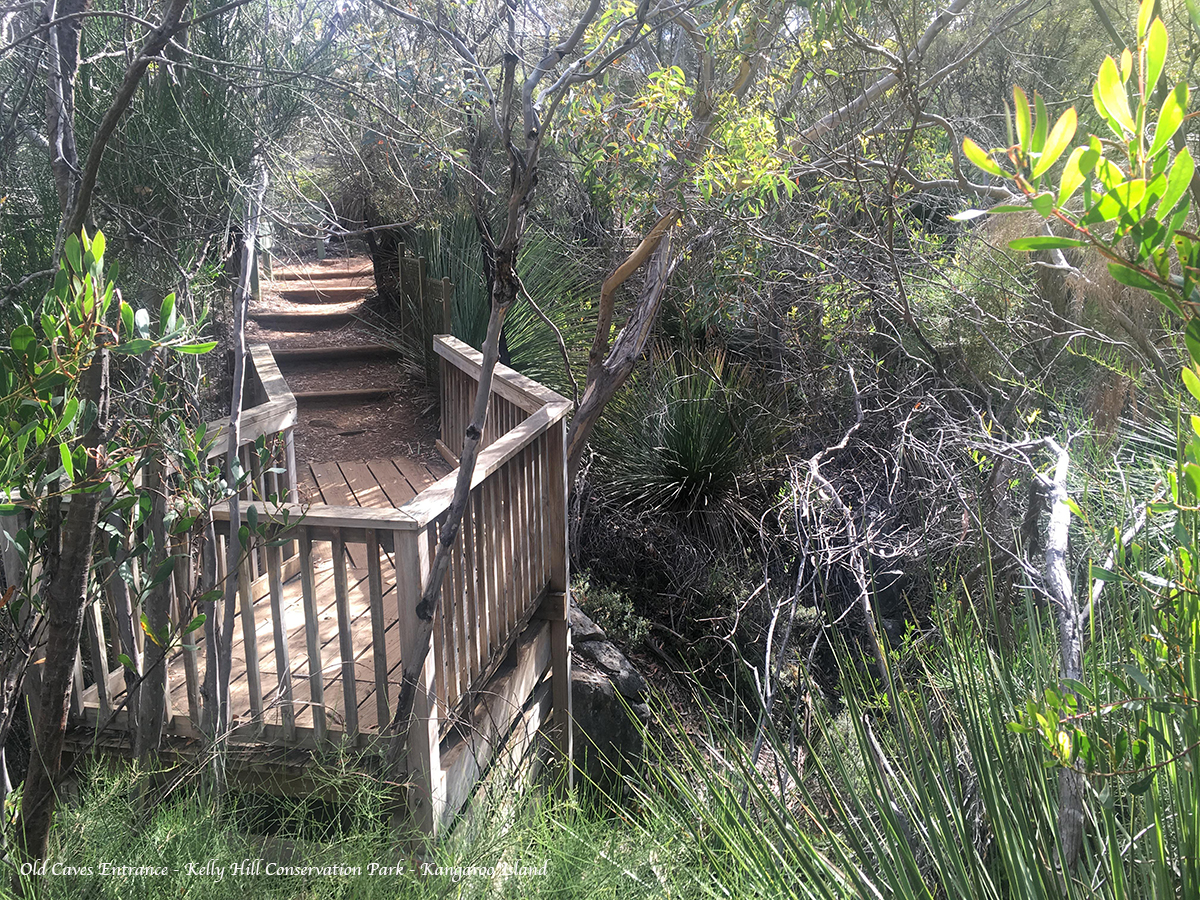
The circuit begins at the Kelly Hill Visitor Centre and immediately enters the sugar gum forest that covers this section of the conservation park. Sugar gums — tall, straight-trunked eucalypts with distinctive blue-green foliage — create a cool, cathedral-like canopy overhead, filtering the sunlight into shifting patterns on the forest floor. The forest has an open, park-like quality that makes walking pleasant and visibility good, allowing you to appreciate the scale and character of these impressive trees.
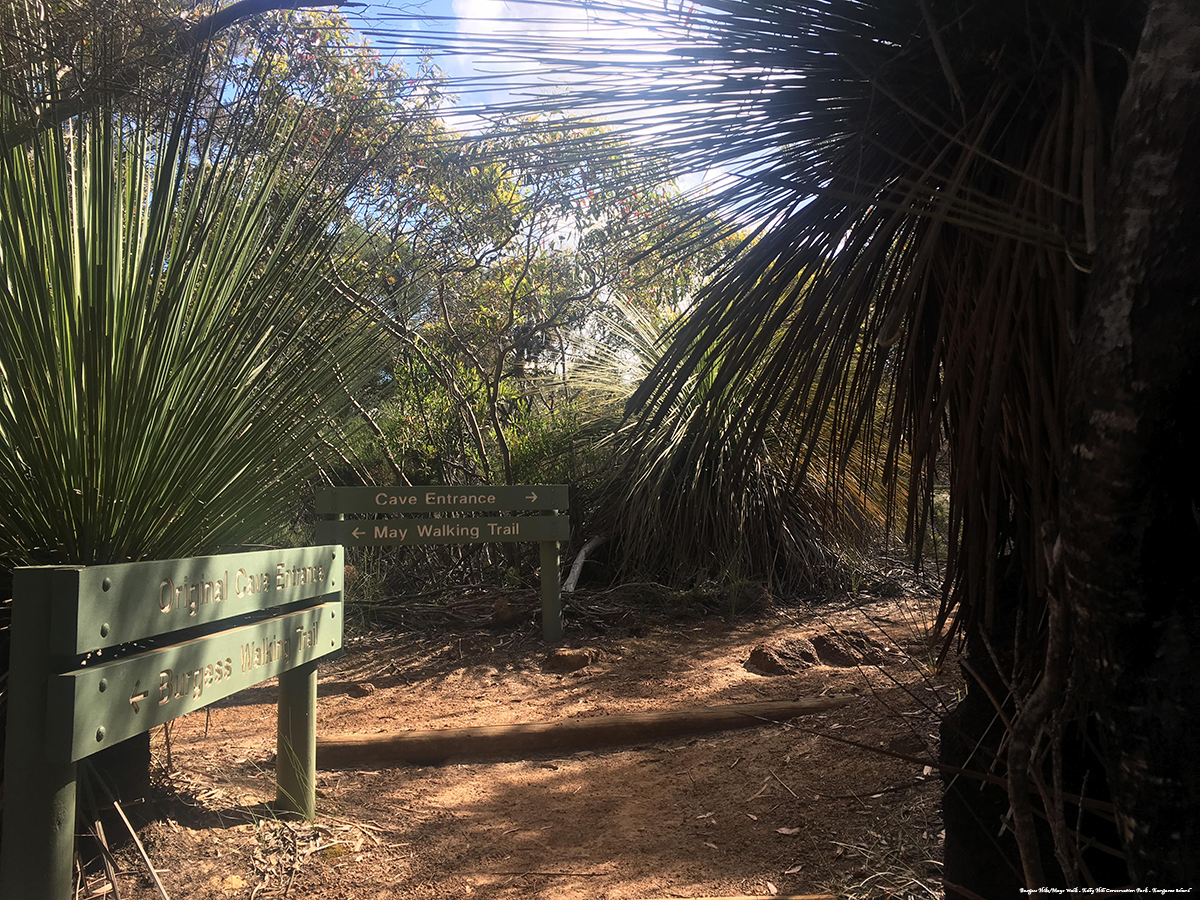
As you walk, interpretive signs introduce the local fauna and explain the geological processes that created the cave system below. The trail passes several sinkholes — bowl-shaped depressions in the forest floor where the limestone bedrock has collapsed into cavities beneath. These craters are the most visible surface expression of the extensive cave network, and they serve as natural drainage points where rainwater enters the ground and continues the slow dissolution of limestone that has been forming the caves for aeons.
The Original Cave Entrance
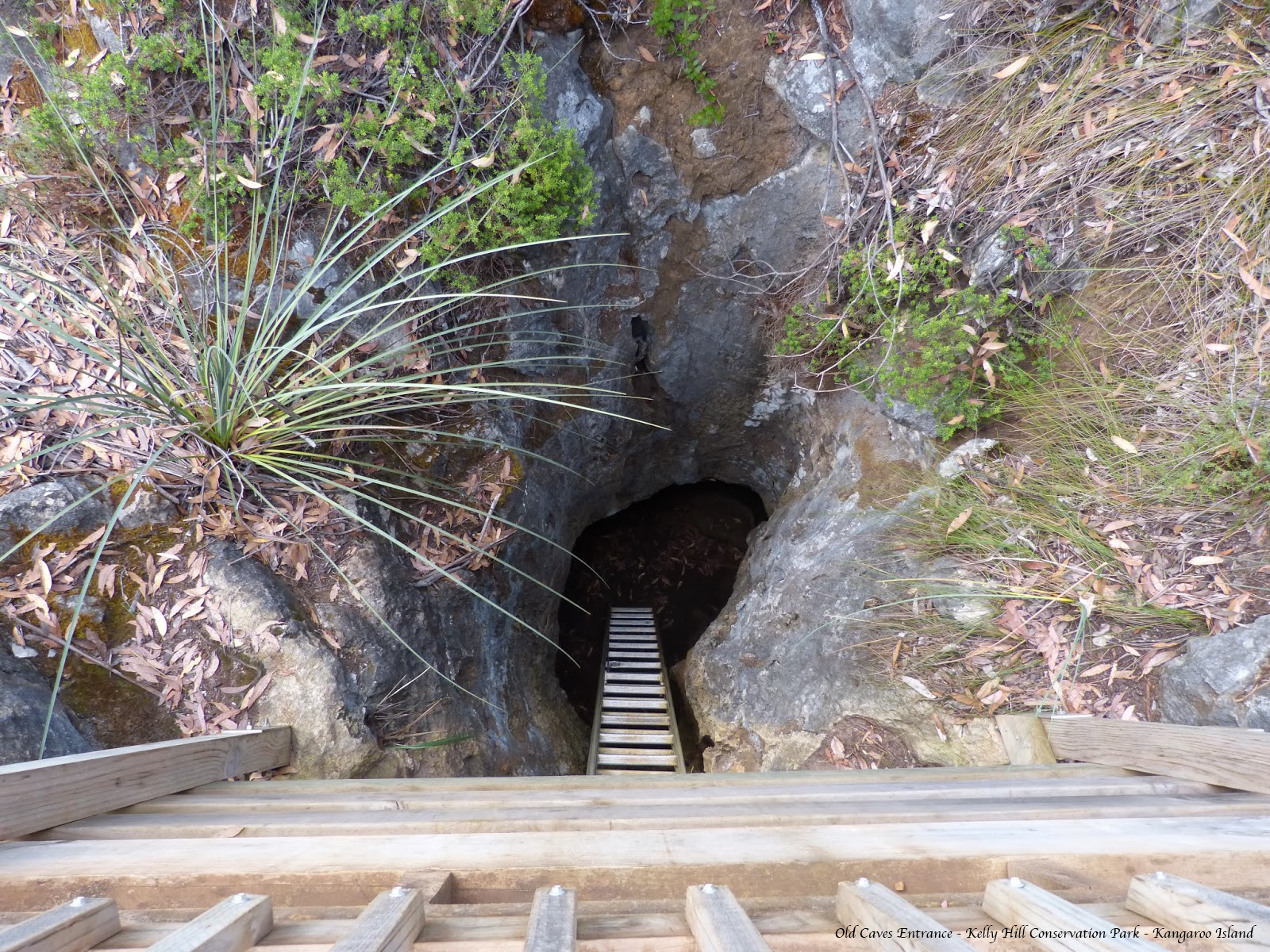
One of the highlights of the walk is passing the original cave entrance — the very hole through which the unfortunate horse Kelly tumbled more than a century ago. Now fenced for safety, the entrance provides a fascinating perspective on the thin boundary between the surface world and the underground caverns. Looking down into the dark opening, you can appreciate both the drama of Kelly’s accidental discovery and the fragility of the limestone landscape that makes this entire cave system possible.
Seasonal Highlights
Spring transforms the Burgess Hike into a wildflower walk of surprising beauty. The forest floor erupts with flowering plants — native orchids, daisies, and a host of smaller species that take advantage of the dappled light beneath the sugar gum canopy. Kangaroo Island’s isolation from the mainland has allowed its plant communities to develop distinctive characteristics, and botanists have identified several species and subspecies found nowhere else. Even for those without botanical knowledge, the spring wildflower display adds a vivid dimension to this short walk.
The forest also supports a rich community of birds and mammals. Kangaroo Island’s native wildlife includes the Kangaroo Island kangaroo — a distinct subspecies of the western grey kangaroo — as well as the Kangaroo Island echidna, which is notably larger and shaggier than its mainland cousin. Koalas, introduced to the island in the 1920s, are also present in the conservation park. Birdwatchers should listen for the distinctive calls of the Kangaroo Island glossy black cockatoo, one of the rarest birds in Australia.
Combining with a Cave Tour
The Burgess Hike is ideally experienced in combination with a guided tour of the Kelly Hill Caves themselves. The walk can serve as either an introduction to the surface landscape before descending underground, or as a reflective above-ground experience after exploring the caves. The caves maintain a constant temperature of 16 degrees Celsius year-round — pleasantly cool on hot summer days and comfortably warm in winter — and the new audio-visual tour experience brings the geological and cultural history of the caves to life.
No food or drinks are available for sale at the conservation park, so bring everything you need. The Visitor Centre provides information on the cave tours and walking trails, and serves as the starting point for both the Burgess Hike and the cave entrance. Pets are not permitted in the park.
The Burgess Hike at Kelly Hill Conservation Park is a walk between two worlds — the sunlit forest above and the dark, sculpted caves below. In just 30 minutes and 1.2 kilometres, it connects the visible landscape with its hidden geological foundations, offering a perspective on Kangaroo Island’s natural heritage that few other trails can match. Whether you come for the caves, the wildflowers, or the wildlife, this modest circuit delivers a surprisingly rich experience.
Where to Stay
Planning an overnight trip? See our Kangaroo Island Accommodation Guide for the best places to stay near this trail.