Mt Remarkable National Park
| Location | Alligator Gorge, Mt Remarkable National Park |
| Start/End Point | Alligator Gorge Car Park, Wilmington SA |
| Distance | 9 km circuit |
| Time | Approximately 4 hours |
| Difficulty | Intermediate (Grade 3) |
| Activity | Walking / Hiking |
| Region | Flinders Ranges & Outback |
| Accommodation | Bush camping, mid-range and premium options — See accommodation options |
| Elevation Gain | Approximately 380 metres |
Through the Heart of an Ancient Gorge
The Alligator Gorge Ring Route is one of those rare trails where every step reveals something new. Over 9 kilometres of varied terrain, this circuit takes you through the full length of one of South Australia’s most dramatic geological formations — from the towering quartzite walls of the Narrows to the wildflower-lined fire trails of the ridgeline, and back down through the cathedral-like stillness of the gorge floor. It is, in the estimation of many experienced bushwalkers, the finest day walk in the southern Flinders Ranges.
Mount Remarkable National Park sits at the southern gateway to the Flinders Ranges, and Alligator Gorge is its crown jewel. The gorge takes its name not from any reptilian inhabitants — there are no alligators or crocodiles in South Australia — but is believed to honour a local Aboriginal shepherd named Ally who contributed to early exploration of the area. What Ally would recognise today is a landscape of extraordinary beauty, shaped by the patient work of water on 500-million-year-old rock.
The Trail Experience
The Anti-Clockwise Route
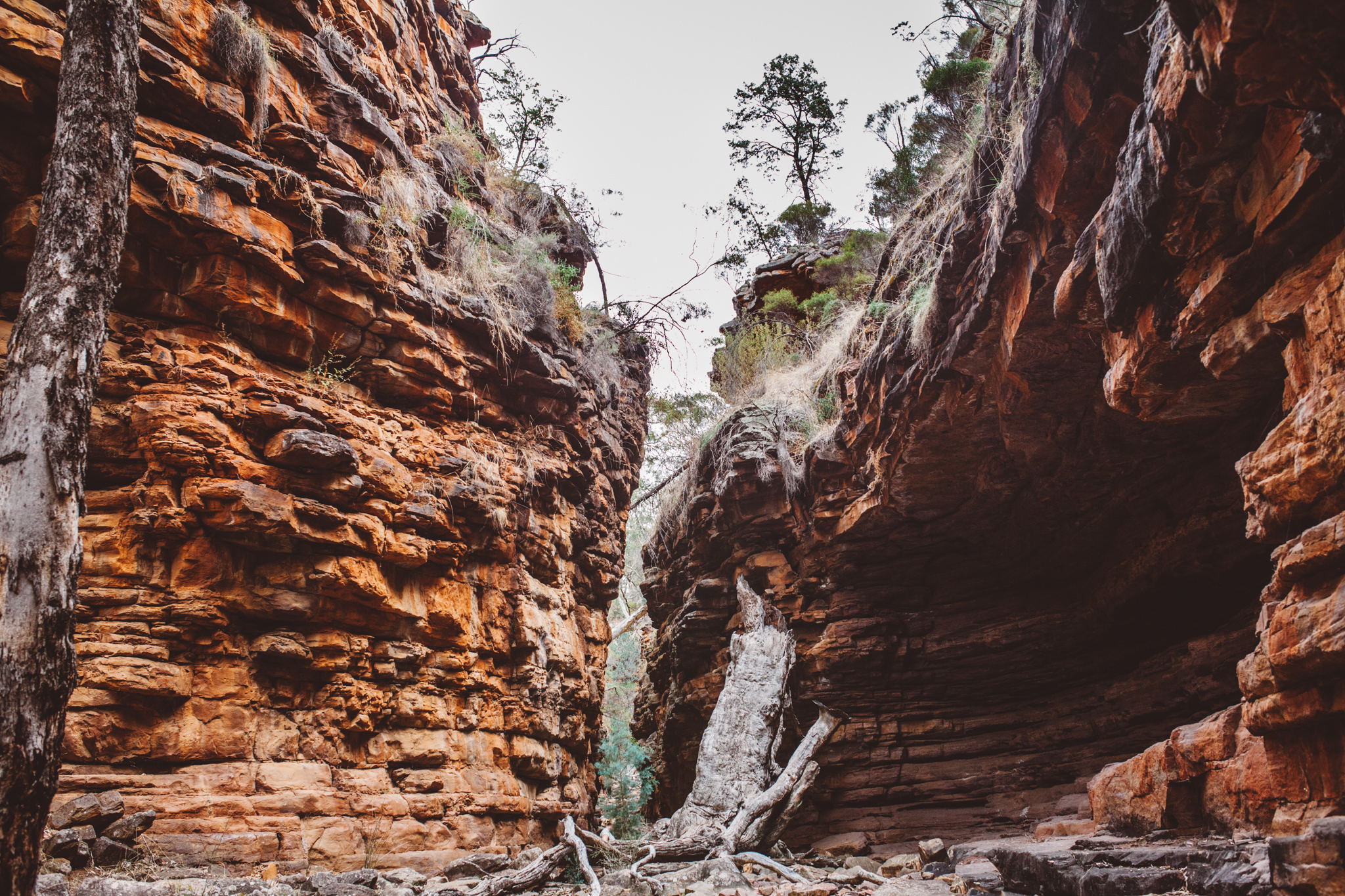
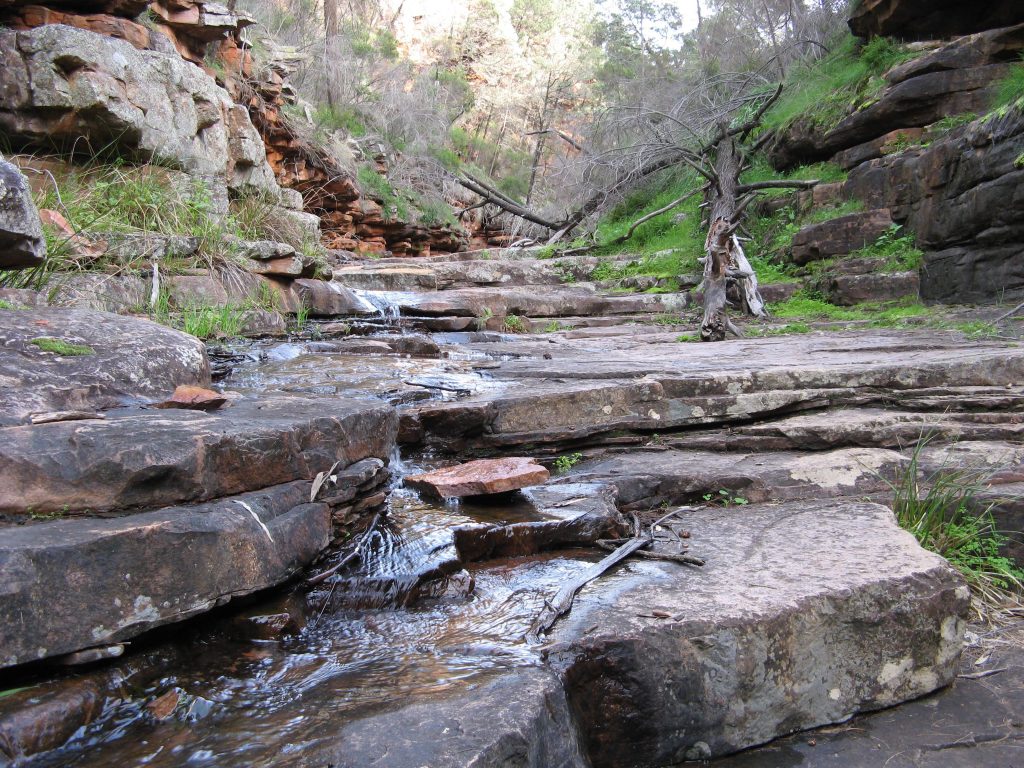
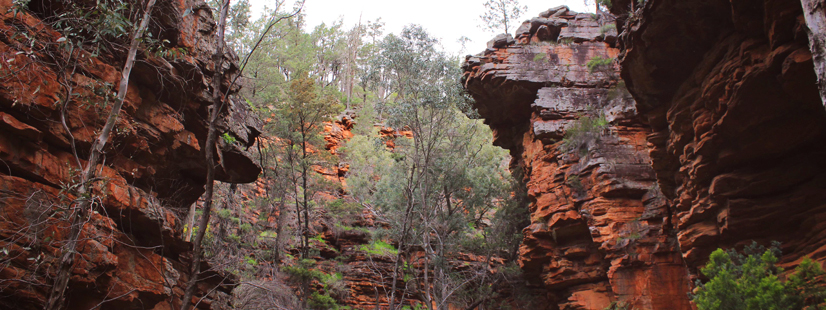
While the circuit can be walked in either direction, most experienced hikers recommend travelling anti-clockwise. This approach takes you up through Alligator Gorge first, where you will rock-hop along the creek bed through a magical canyon of towering walls. The gorge floor is uneven and loose in places — sturdy boots with good ankle support are essential — but the sense of walking through a natural corridor carved by millennia of flowing water is deeply rewarding.
The early morning light creates extraordinary effects in the gorge, with shafts of sunlight penetrating the narrow gap between the walls to illuminate patches of moss and fern on the rock faces. The quartzite walls — originally laid down as sediments in an ancient seabed during the Cambrian period — display clear bedding planes and ripple marks that tell the story of an ocean that vanished hundreds of millions of years ago.
The Narrows and the Terraces
The highlight of the gorge section is undoubtedly the Narrows, where the walls close in to create a passage barely wide enough for a single walker. Here, the rock faces tower overhead and the temperature drops noticeably, creating a microclimate where moisture-loving plants cling to the shaded surfaces. The Terraces — a series of natural rock platforms formed by differential erosion of the quartzite layers — provide dramatic viewpoints and resting spots as you climb.
The Ridgeline and Return
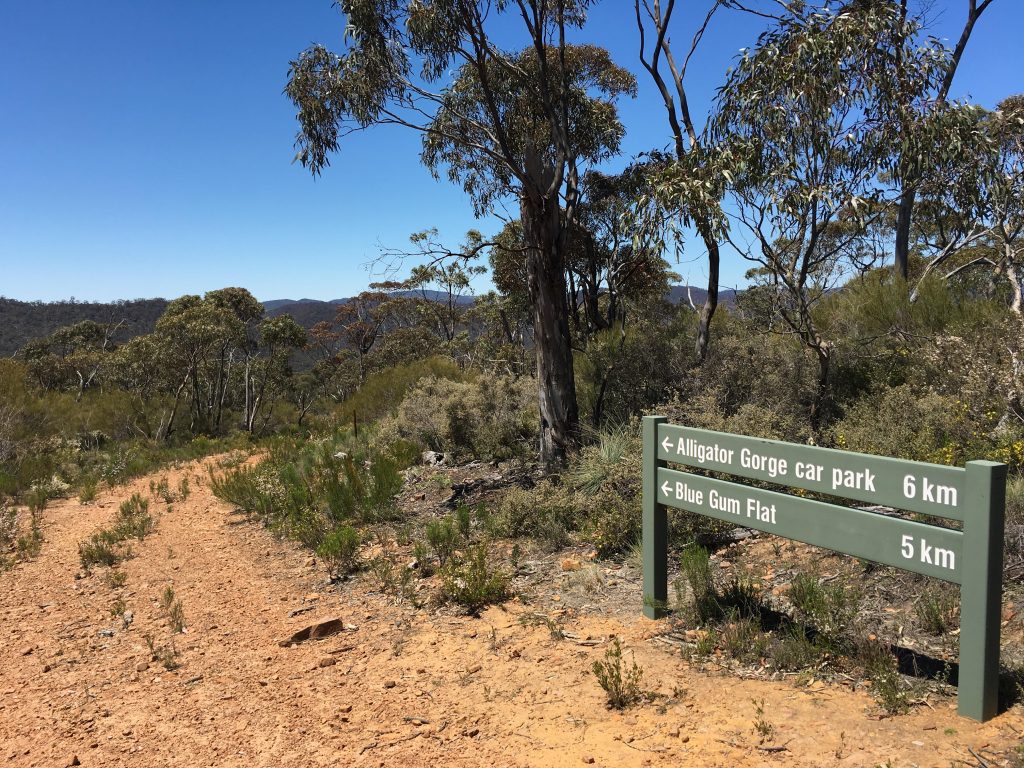
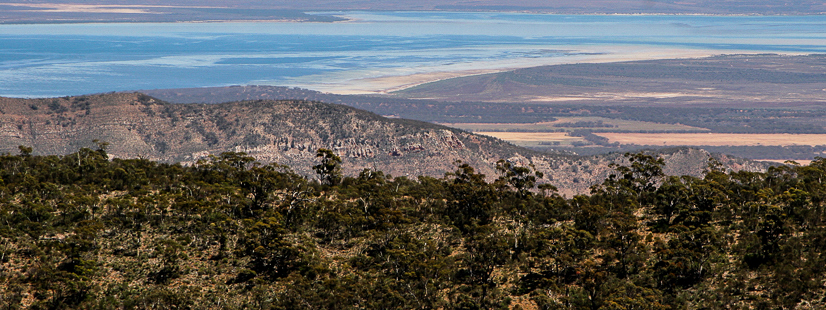
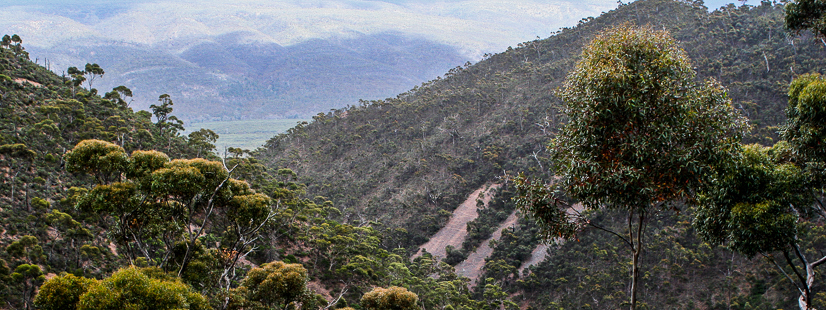
Emerging from the gorge, the trail transitions to a broader fire track that follows the ridgeline through open woodland. This section is a revelation in spring, when the bush erupts in wildflowers — native orchids, paper daisies, and flowering grevilleas create a tapestry of colour that seems almost impossibly vibrant against the dry, rocky landscape. From the higher points, panoramic views extend across the Spencer Gulf to the west and the Willochra Plain to the east, with the 960-metre summit of Mount Remarkable presiding over the scene.
The gradual descent along the fire trail brings you back to the gorge system for the final section, where you re-enter the gorge from its lower end and walk through the impressive walls one last time before returning to the car park. This bookend of gorge walking ensures the circuit finishes as strongly as it begins.
Wildlife and Natural Heritage
Mount Remarkable National Park supports a diverse community of wildlife, and the varied habitats along the Ring Route maximise your chances of encountering it. Euro (hill kangaroos) and western grey kangaroos are common on the ridgeline sections, while echidnas shuffle through the leaf litter on the fire trail. Wedge-tailed eagles frequently soar above the gorge, riding the thermal currents that form as the sun warms the rock walls. Adelaide rosellas, with their distinctive orange-yellow and blue plumage, are a constant presence in the woodland sections.
The park is also home to the endangered yellow-footed rock wallaby, though these shy animals are more commonly seen in the northern sections of the park. Reptile enthusiasts may spot sleepy lizards basking on warm rocks along the fire trail, and the patient observer might catch a glimpse of a lace monitor climbing a eucalyptus trunk in the woodland.
Planning Your Hike
The Alligator Gorge Ring Route is rated intermediate but requires reasonable fitness and suitable footwear. The gorge floor can be slippery when wet, and some sections involve scrambling over rocks. If the creek is flowing after rain, river shoes or waterproof boots are recommended. Carry at least two litres of water per person, as there is no reliable water along the trail.
The drive to the Alligator Gorge car park takes approximately 3 hours and 40 minutes from Adelaide. From Melrose, drive toward Wilmington along the Horrocks Highway, then follow the signs to Alligator Gorge Road. The road is steep and narrow — suitable for 2WD vehicles but not for towing caravans or trailers. Vehicle entrance fees of $12.50 per day apply, and online booking is recommended as mobile reception can be limited at the gorge. The best walking months are March through October, when temperatures are mild and wildflowers are at their peak.
The Alligator Gorge Ring Route captures the essence of the Flinders Ranges in a single, achievable day walk. Ancient geology, spring wildflowers, panoramic views, and the cathedral-like silence of the gorge itself combine to create an experience that lingers in the memory long after the drive back to Adelaide. It is a walk that earns every one of its four hours — and rewards every one of them, too.
Where to Stay
Planning an overnight trip? See our Fleurieu Peninsula Accommodation Guide for the best places to stay near this trail.